



How Electric Vans Are Reshaping Commercial Transport
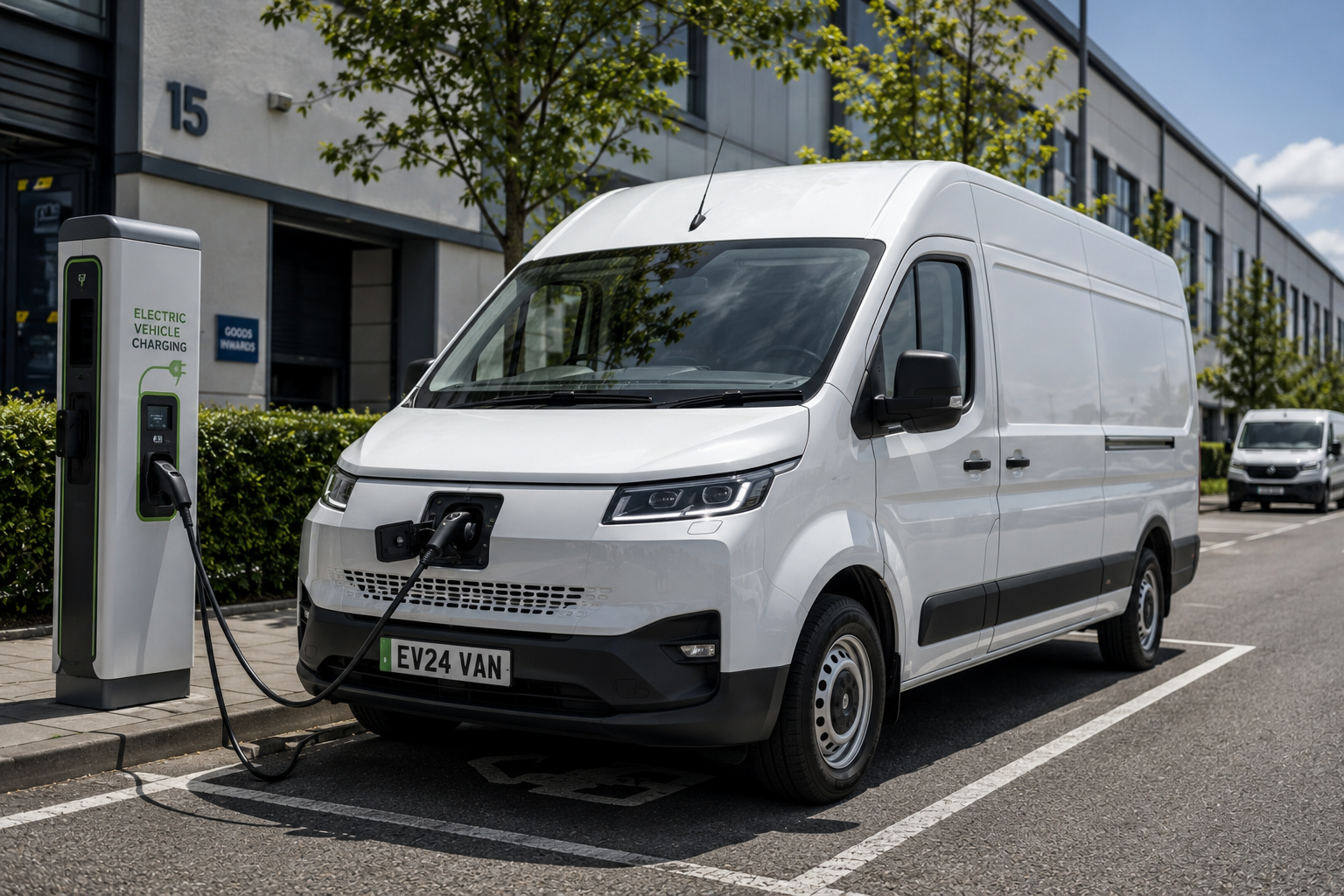
Recent market data shows that used electric van sales in the UK have reached record levels, with monthly sales exceeding 1,000 units for the first time. What's particularly interesting is that this record came only weeks after the previous record had been set, suggesting that demand continues to build momentum.
For many years, electric vans faced a number of challenges. Purchase prices were higher than diesel alternatives, charging infrastructure was less developed and many businesses questioned whether battery range would be sufficient for daily operations.
Today, those concerns are beginning to ease.
Businesses are becoming more comfortable with EV technology
Fleet operators are often more practical than private motorists.
They tend to focus on costs, reliability and operational performance rather than trends or technology for its own sake.
As electric vans have improved, many businesses have discovered that they are well suited to predictable daily routes such as deliveries, maintenance visits and local service operations.
At the same time, charging infrastructure has expanded and battery technology has improved significantly.
The result is that many businesses now view electric vans as a viable commercial tool rather than an experimental alternative.
Manufacturers are responding
The growing demand is encouraging manufacturers to invest heavily in the sector.
Several major vehicle manufacturers have expanded their electric van ranges, while newer entrants have identified commercial vehicles as a significant growth opportunity.
Some manufacturers are even reporting supply constraints on certain electric van models due to strong demand, a situation that would have seemed unlikely just a few years ago.
Competition is increasing, giving buyers more choice in terms of vehicle size, payload capacity and driving range.
Europe is moving in the same direction
The trend is not limited to the UK.
Across Europe, commercial vehicle manufacturers are investing heavily in electrification, supported by emissions regulations, corporate sustainability targets and growing customer demand.
Industry data shows that electric commercial vehicle registrations continue to increase across many European markets, reflecting a broader shift towards lower-emission transport solutions.
While adoption rates vary between countries and sectors, the long-term direction of travel appears clear.
What does this mean for insurance?
Electric vans bring some different considerations compared with traditional diesel vehicles. Repair methods, specialist parts, battery systems and technician training can all influence claims costs and underwriting decisions.
However, as the number of electric vans on the road increases, insurers gain access to larger volumes of data, helping them better understand risk and pricing.
This is similar to what happened with electric cars. As adoption increased, insurers became more familiar with the technology and developed products designed specifically for electric vehicle owners.
A glimpse of the future
Perhaps the most interesting aspect of the electric van market is that it demonstrates how quickly attitudes can change.
A few years ago, many businesses regarded electric vans as impractical. Today, record sales suggest they are becoming part of the mainstream commercial vehicle landscape.
The transition will not happen overnight. Diesel vans will remain an important part of the vehicle market for many years. However, the direction of travel is becoming increasingly difficult to ignore.
At Grove & Dean, we closely monitor developments across the motor insurance market. As vehicle technology evolves, understanding emerging trends helps ensure businesses and drivers have access to insurance solutions that keep pace with a changing world.
The electric van revolution may not be making as much noise as the passenger car market, but it is quietly transforming Britain's roads one delivery at a time.