



Is Your Home Ready for Winter? How El Niño Could Affect UK Weather in 2026/27
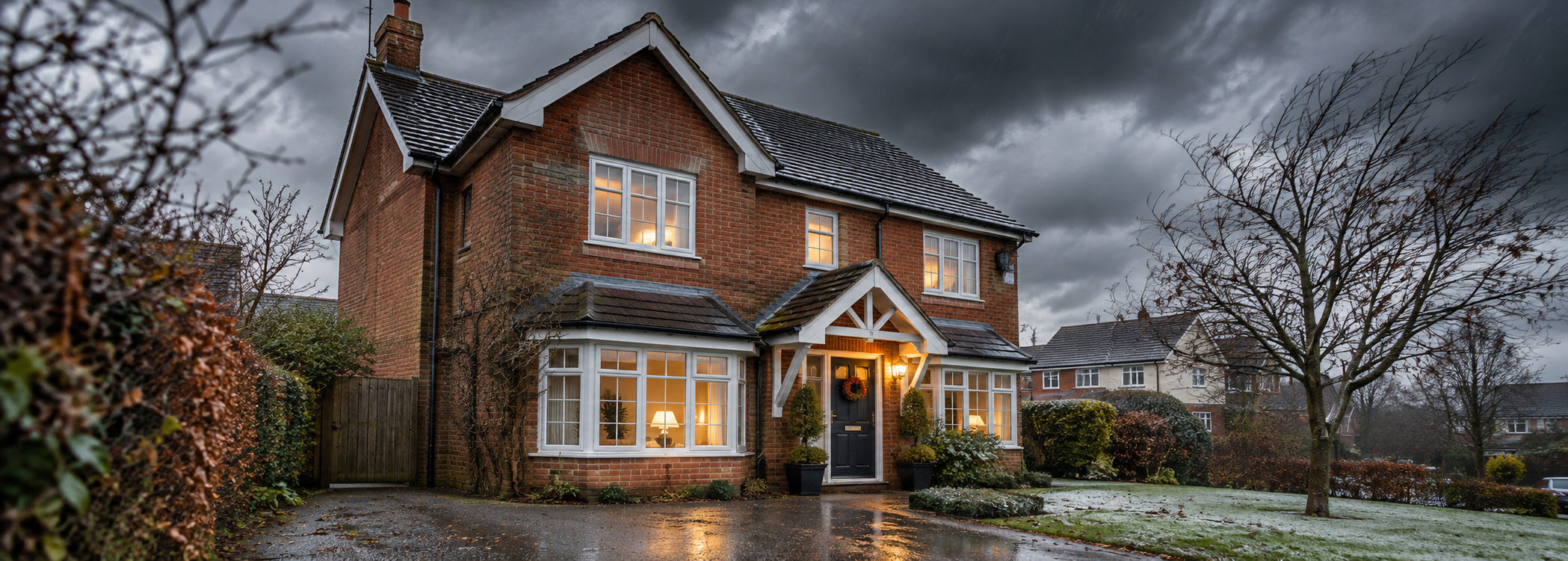
Winter is approaching, and this year there's an additional reason for homeowners to prepare.
The Met Office has warned that a particularly strong El Niño climate event could increase the likelihood of wetter, windier and potentially stormier conditions across the UK during late autumn and early winter.
While that doesn't mean severe weather is inevitable, it's a timely reminder to check that your home is ready for whatever the coming months might bring.
From checking your roof and clearing gutters to protecting pipes against freezing temperatures, a few simple precautions could help prevent costly damage.
And with insurers paying out £1.2 billion in weather-related property claims during 2025, according to the Association of British Insurers (ABI), the financial impact of severe weather is something homeowners shouldn't overlook.
What is El Niño, and could it make this winter's weather worse?
El Niño is a natural climate phenomenon that occurs when sea surface temperatures in the central and eastern tropical Pacific Ocean become unusually warm.
Although it develops thousands of miles away, it can influence weather patterns around the world, including here in the UK.
In September 2026, the Met Office confirmed that the developing El Niño had reached record strength, exceeding previous observations.
Its seasonal outlook also indicated that the likelihood of a warmer and wetter autumn was around one-and-a-half to two times higher than would normally be expected, with an increased chance of windy conditions later in the season.
Historically, El Niño events have been associated with milder, wetter and stormier weather across the UK during late autumn and early winter.
There may also be an increased possibility of colder conditions later in winter, particularly if changes in atmospheric circulation make cold spells more likely.
However, there's an important distinction.
El Niño doesn't guarantee storms, flooding or freezing temperatures. It's one of several factors influencing the UK's weather, and seasonal forecasts indicate probabilities rather than predicting exactly when or where severe weather will occur.
Nevertheless, the possibility of more unsettled conditions makes preparing your home before winter arrives especially sensible.
The rising cost of weather damage to UK homes
Severe weather can cause more than temporary disruption. It can also leave homeowners facing significant repair bills.
According to the Association of British Insurers (ABI), insurers paid out £1.2 billion in weather-related property claims during 2025, a 14% increase on the previous year.
And the figures for individual types of damage highlight just how expensive the consequences can be.
£312 million was paid for domestic flood claims in 2025, an increase of 38% compared with the previous year.
£30,000 was the average domestic flood claim payout, up 60% on 2024.
£244 million was paid for storm damage to people's homes, with an average payout of £2,450.
These figures illustrate how quickly severe weather can turn into a costly problem.
While home insurance can provide valuable financial protection against insured events, taking preventative action may help reduce the likelihood or extent of damage.
Here are some practical steps worth taking before winter arrives.
1. Check your roof before the next storm
Strong winds and heavy rain can expose weaknesses in roofs that might otherwise go unnoticed.
Look for slipped, cracked or missing tiles, damaged flashing around chimneys and signs of wear around the roofline.
You don't need to climb onto your roof to check its condition. A visual inspection from ground level may reveal obvious problems, and a qualified roofer can investigate anything that looks suspicious.
It's also worth checking loft spaces for signs of damp, staining or previous water penetration.
A small repair now could prevent a much larger problem when the next storm arrives.
Remember, home insurance generally covers damage caused by insured events such as storms, rather than problems resulting from gradual deterioration, wear and tear or inadequate maintenance.
2. Clear gutters and drains
Autumn leaves, moss and other debris can quickly accumulate in gutters and downpipes.
When heavy rainfall arrives, blocked gutters can overflow, causing water to run down external walls and potentially leading to damp or damage inside your property.
Before winter arrives:
Clear leaves and debris from gutters where it's safe to do so.
Check that downpipes are properly connected and draining freely.
Keep external gullies and surface drains free from obstructions.
Look for standing water around your property after heavy rainfall.
If your home has previously experienced surface water problems, consider whether improvements to drainage are necessary.
It's always safer to use a professional for gutters or drains that are difficult to reach.
3. Check whether your home is at risk of flooding
You don't have to live beside a river or the coast to experience flooding.
Heavy rainfall can overwhelm drainage systems and lead to surface water flooding, including in residential areas that wouldn't normally be considered at high risk.
The Environment Agency provides a free online service allowing homeowners in England to check the long-term flood risk in their area, including risk from rivers, the sea and surface water.
You can check your area using the Government's long-term flood risk service.
The service provides an indication of the risk in an area rather than predicting whether an individual property will flood.
Homeowners can also check current flood warnings and sign up for free flood warning notifications where available.
If your property is at risk, consider taking additional precautions, such as keeping valuable possessions and important documents away from areas likely to flood.
It's also worth knowing how to turn off your electricity, gas and water supplies safely in an emergency.
A little preparation can make a significant difference if heavy rainfall causes problems.
4. Prepare your garden for high winds
Garden furniture, loose fencing, hanging baskets, bins and children's toys can quickly become hazards during strong winds.
Before a storm is forecast, secure or store any loose items that could be blown around.
Check fences, gates, sheds and outbuildings for signs of damage or weakness, and arrange repairs where necessary.
Overhanging branches or trees that appear unhealthy may also need attention from a qualified tree surgeon.
It's worth remembering that home insurance doesn't necessarily cover every type of storm damage.
Fences and gates, for example, are commonly excluded from storm cover, although this depends on the policy.
Check your policy wording so you understand what's included before the bad weather arrives.
5. Don't overlook the risk of freezing pipes
Although El Niño can increase the likelihood of milder conditions during early winter, freezing temperatures remain a possibility, particularly later in the season.
And it only takes a spell of sufficiently cold weather for vulnerable pipes to become a problem.
When water freezes inside a pipe, it expands and creates pressure that can cause the pipe to split.
The resulting damage might not become apparent until temperatures rise and the ice thaws, allowing water to escape.
A burst pipe can cause extensive damage to floors, ceilings, walls and personal possessions.
A few precautions can help reduce the risk:
Insulate exposed pipes, particularly those in lofts, garages and other unheated areas.
Check that water tanks and external taps are adequately protected.
Make sure your heating system is working properly before temperatures fall.
Locate your main stopcock and check that you can turn it off in an emergency.
Repair dripping taps and address any existing plumbing problems.
Taking these steps now could help avoid an expensive and inconvenient surprise later in winter.
6. Going away over Christmas? Don't leave your home vulnerable
If you're planning to spend Christmas or New Year away from home, there are a few additional precautions worth taking before leaving.
Depending on the weather and your insurance requirements, consider leaving the heating on a low setting to help prevent pipes from freezing.
You may also want to turn off the mains water supply where appropriate, provided this can be done safely and won't interfere with any systems that need a water supply.
Ask a trusted neighbour or family member to check your property, particularly if you're going to be away for an extended period.
Make sure doors and windows are securely locked, avoid leaving deliveries accumulating outside and consider using timer switches to make your home appear occupied.
Crucially, check your home insurance before travelling.
Some policies include specific conditions when a property is left unoccupied, particularly during colder months.
These may include maintaining a minimum temperature, turning off the water supply or arranging regular property inspections.
The permitted period of unoccupancy and any additional requirements will depend on your particular policy.
It's always worth checking your policy wording rather than discovering a problem after something has gone wrong.
7. Check your home insurance cover before severe weather arrives
Most standard buildings insurance policies provide protection against certain types of storm, flood and escape-of-water damage, but cover, exclusions and excesses can vary between insurers and policies..
One important distinction homeowners should understand is the difference between sudden damage caused by an insured event and problems resulting from gradual deterioration or poor maintenance.
For example, damage caused by a storm may be covered, while a leak resulting from roof tiles that have been deteriorating over several years may not be.
Even where severe weather contributes to damage, insurers will consider the circumstances of the claim and the policy's terms and conditions.
It's also worth checking that your buildings and contents insurance reflects your current needs.
Have you made significant improvements to your property, extended your home or purchased expensive new possessions?
Changes like these could mean your existing level of cover needs reviewing.
And if you do experience damage, contact your insurer promptly, take photographs where it's safe to do so and keep receipts for any necessary emergency repairs.
Remember that cover for specific risks, including escape of water, can differ between standard, unoccupied and holiday let insurance policies.
A little preparation could save a lot of trouble
Much of this advice may seem obvious. Yet every year, insurers deal with claims involving damage that routine maintenance and preparation might have helped reduce or prevent.
With the Met Office highlighting an increased likelihood of unsettled weather during late autumn and early winter, now's a sensible time to give your home a thorough check.
You can't control the weather, but you can take steps to protect your property and reduce the risk of an expensive and inconvenient winter surprise.
At Grove & Dean, we're here to help you understand your home insurance cover.
If you're unsure whether your existing policy provides the protection you need, or if your circumstances have changed, please get in touch with our team.
Sources and further reading
Weather information and insurance statistics correct as of November 2026. Seasonal forecasts indicate probabilities rather than guaranteeing specific weather conditions. Insurance cover is subject to individual policy terms, conditions and exclusions.


