



Is Britain’s changing weather increasing the risk of subsidence?
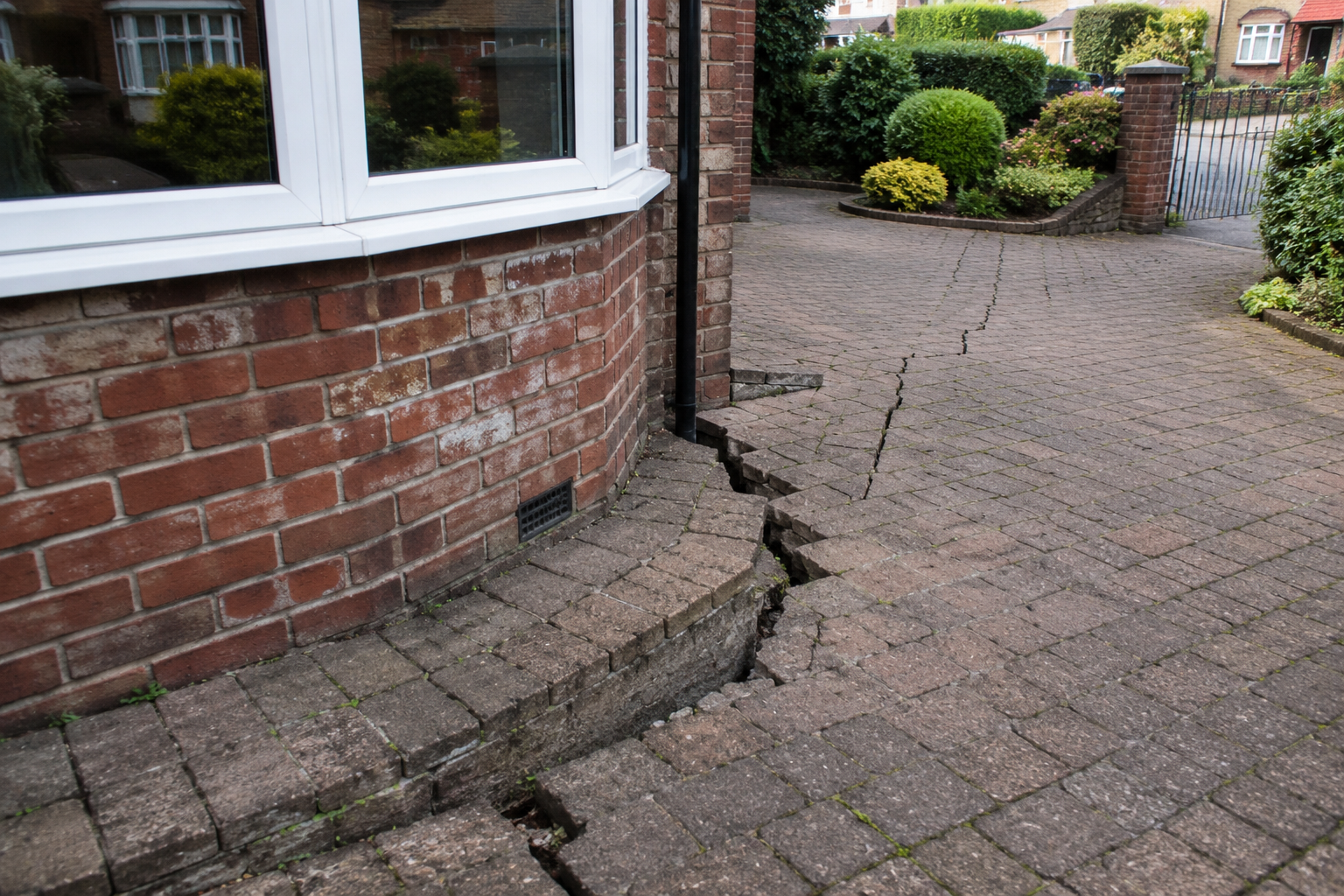
British weather has always been unpredictable. One minute we’re complaining about endless rain, the next we’re watering the garden in the middle of a hosepipe ban.
Yet over recent years, many homeowners have noticed something else. The swings between very wet and very dry weather seem more extreme than before.
That matters because repeated cycles of drought and heavy rainfall can put stress on buildings, driveways and outbuildings, particularly in areas with clay soil. For insurers and homeowners alike, subsidence has become an increasingly important topic.
What is subsidence?
Subsidence happens when the ground beneath a property shifts or sinks, causing movement in the building’s foundations.
One of the biggest causes in the UK is shrinkable clay soil. During long dry spells, clay can lose moisture and contract. When rain finally arrives, the soil expands again. Over time, that repeated movement can place pressure on foundations.
Trees and large shrubs can also affect moisture levels in the soil, especially during hot summers.
Common signs of subsidence can include:
Cracks appearing in walls, particularly around doors and windows
Cracks that are wider at the top than the bottom
Doors or windows suddenly sticking
Rippling wallpaper that was previously smooth
Sloping floors in more severe cases
Not every crack means subsidence. Buildings naturally move slightly over time, especially older homes. However, if cracks suddenly worsen after periods of hot weather or heavy rain, it is sensible to investigate.
Why changing weather patterns matter
The UK has experienced several unusually dry summers in recent years, followed by periods of intense rainfall and flooding.
According to the Met Office climate change is increasing the likelihood of hotter summers and heavier rainfall events in the UK. That combination can create more movement in certain soil types.
Insurers have also reported rises in subsidence claims following major heatwaves.
According to the Association of British Insurers, subsidence claims rose sharply after the UK’s record 2022 heatwave, with insurers paying out around £219 million in claims linked to ground movement and structural damage.
That does not mean every property is suddenly at risk. Much depends on location, soil type, trees nearby and the age and construction of the building. Yet it does mean homeowners should pay closer attention to maintenance and insurance cover than they perhaps did twenty years ago.
Can homeowners reduce the risk?
There is no guaranteed way to prevent subsidence entirely. Nature tends to have the final word. However, there are sensible steps homeowners can take to reduce risk and spot problems early.
Keep an eye on cracks
Small cracks are common in many homes. The important thing is whether they change.
Take photographs every few months if you are concerned. If cracks widen significantly, especially after very dry weather, it may be worth seeking professional advice.
Check drains and pipework
Leaking drains and water pipes can soften the ground around foundations and contribute to movement.
If you notice damp patches outside, unexplained water bills or recurring blockages, it is worth getting things checked.
Be careful with large trees
Trees can draw significant moisture from clay soil during dry periods.
This does not mean every tree near a home is a danger. Cutting down mature trees without advice can sometimes make movement worse because the soil rehydrates rapidly afterwards.
If you are concerned, it is best to speak to a qualified arboriculturist or surveyor before making major changes.
Maintain gutters and roofing
Very wet weather brings its own risks.
Blocked gutters, leaking downpipes and damaged flat roofs can allow water to penetrate buildings, increasing the chance of damp and water damage claims.
Regular maintenance remains one of the simplest ways to protect a property.
Check your home insurance cover
One of the most important things homeowners can do is review their buildings insurance policy carefully.
Most standard buildings insurance policies include subsidence cover, but excesses are often much higher than for ordinary claims. In some cases, there may also be exclusions or conditions depending on previous claims history.
It is worth checking:
Whether subsidence cover is included
The size of the excess
Whether garages, outbuildings and driveways are covered
Any exclusions relating to previous movement or flooding
What evidence insurers may require if you need to claim
If you are unsure, speaking to your insurer or broker before problems arise can save a great deal of stress later.
Flooding remains a growing concern too
The same weather patterns that contribute to ground movement can also increase flood risk.
After long dry periods, very hard ground may struggle to absorb sudden heavy rainfall, increasing surface water flooding in some areas.
Homeowners in flood-prone regions may want to consider practical measures such as:
Keeping drains and gutters clear
Using flood-resistant materials where possible
Checking whether valuables are stored at ground level
Reviewing insurance cover regularly
A little preparation goes a long way
Nobody can control the British weather. If we could, bank holiday weekends would look very different.
Yet homeowners can stay alert to the effects changing weather may have on their property.
Keeping up with maintenance, watching for early warning signs and checking insurance cover carefully can all help reduce the financial shock if problems develop later.
The Grove & Dean Home Insurance Team can help customers review their cover and arrange additional protection for buildings and contents, including cover options suited to all of Great Britain’s weather-related risks! Click here to get in touch.