



Why Condensation Forms and How to Manage It Effectively
Why Condensation Happens and Simple Ways to Keep It Under Control
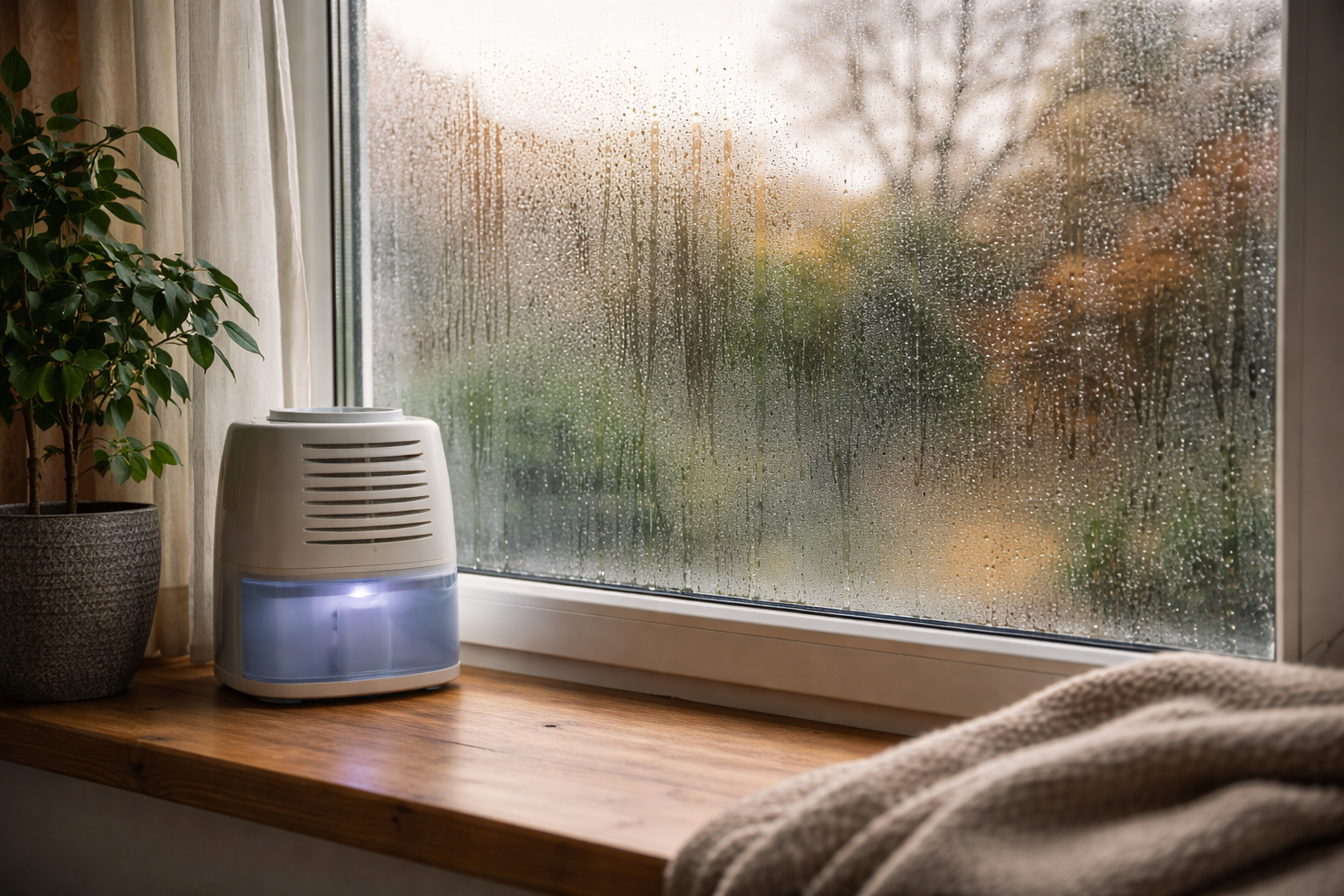
As temperatures fall, many homes start to see the familiar signs of winter moisture: hazy windows, cold glass, and beads of water forming along frames and sills. It often begins as a thin mist on the inside of the window, then turns into droplets — and if it continues, it can contribute to mould on walls, ceilings, or soft furnishings.
Condensation can look minor at first, but if it’s left unmanaged it can reduce comfort, affect health, and gradually impact your property (or even your car).
A quick word on mould
When condensation becomes a regular problem, mould can follow and that can be especially difficult for people with asthma, allergies, or other health sensitivities. Beyond health concerns, mould can stain walls and ceilings and leave marks on fabrics and furnishings. Dealing with the aftermath is rarely pleasant and can take time, so it’s worth tackling the cause early.
What causes condensation in the first place?
Condensation forms when warm, moisture-filled air comes into contact with a colder surface. Because warmer air holds more water vapour than cold air, condensation is far more common during colder months. You’ll typically see it on windows, tiles, external walls, and even vehicle windscreens.
Common household causes include:
Steam produced by showers or baths
Moisture released during cooking
Drying laundry indoors
Poor ventilation or limited airflow
Cold window panes and poorly insulated walls
In vehicles, condensation is often triggered by:
Moisture from passengers’ breath (including pets)
Wet coats, umbrellas, shoes, or footwear stored in the car
Rapid changes in outdoor temperature
Water ingress from leaks around doors, vents, or seals
Practical ways to reduce condensation at home
Small, consistent changes usually make the biggest difference.
Keep your heating consistent
Maintaining a steady indoor temperature through winter helps prevent surfaces from becoming cold enough for moisture to settle quickly. Constantly switching the heating on and off can cause colder surfaces to return — which makes condensation more likely. A more consistent approach tends to work better.
Improve ventilation
Letting warm, damp air escape is key. Use extractor fans in bathrooms and kitchens, open trickle vents if you have them, and consider briefly opening a window after steamy activities like cooking or showering. Even a short burst of airflow can help without drastically cooling the room.
Reduce indoor moisture where possible
Dry clothes outdoors when you can, or use a vented tumble dryer
Keep pan lids on while boiling or simmering
Reduce steam build-up by covering pots during cooking#
Use helpful tools if needed
If condensation persists in certain rooms, a few simple aids can help:
Moisture absorbers can assist in areas with little airflow
Dehumidifiers can help where dampness is ongoing
Window insulation film can keep glass warmer and reduce droplet formation
Wiping away condensation as soon as it appears helps prevent mould from gaining a foothold
How to cut down condensation in your car
Cars are sealed spaces, so humidity builds quickly — especially in winter.
Increase airflow regularly
Using your blower or air-conditioning settings helps circulate air and clears misted glass faster, even on cold days.
Remove damp items quickly
Wet coats, umbrellas, muddy mats, or damp footwear can release moisture into the cabin for hours. Shaking items off before bringing them inside — and removing them when possible — helps reduce humidity.
Check for small leaks
Inspect door seals, boot seals, vents, and sunroofs. Even a small leak can create a long-term moisture issue and make condensation constant.
Consider moisture absorbers overnight
Dashboard moisture absorbers or silica bags can help reduce fogging when parked, especially if the vehicle is left outdoors overnight.
Safety first: never drive with misted windows
Fogged windows reduce visibility and increase risk. If an incident occurs, visibility issues can also complicate insurance outcomes.
Why it’s worth dealing with condensation
If condensation continues, it can lead to damp and mould indoors. In some cases, ongoing deterioration linked to poor maintenance may influence how a claim is assessed. In vehicles, the bigger concern is safety, reduced visibility increases the chance of accidents.
Keeping both your home and your vehicle dry improves comfort, helps prevent damage, and makes winter far easier to manage. A few steady habits can mean clearer windows, healthier air, and fewer issues long-term.
If your home insurance renewal is coming up, it’s a good time to check you’ve got the right cover in place and compare an up-to-date quote with your chosen provider.