



Garden Upgrades & Insurance. Sheds, Fences and Outdoor Living
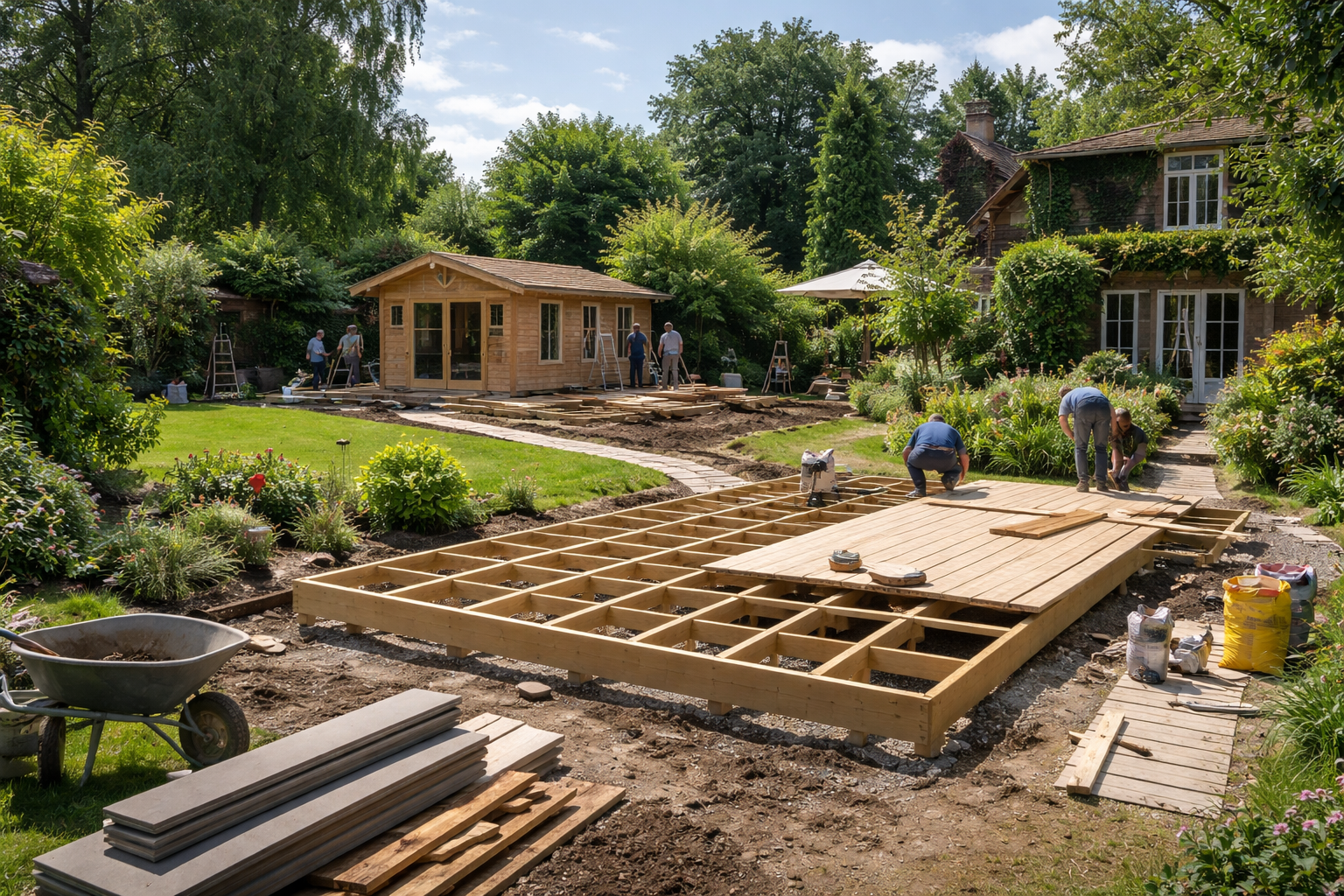
Spring time garden upgrades. Have you checked your cover?
Spring brings new enthusiasm for garden improvements, from new sheds and garden offices to upgraded fencing and outdoor entertaining spaces. What many homeowners overlook is that these additions can affect how insurance cover applies. Outbuildings, garden structures and outdoor contents often sit under different limits and conditions than the main property.
Keeping Covered in the Garden
Spring is in the air, which usually means stepping back into the (probably waterlogged) garden after winter. Lawns recover, plans form, and many households begin investing in outdoor upgrades.
Whether it is a replacement shed, a stylish pergola, or a fully equipped garden office, these changes can alter both the value and the risk profile of your property.
Insurance policies do not always adjust automatically so here’s what you need to know.
Sheds: Covered structure, separate contents
Most home insurance policies include sheds and outbuildings. Typically, they fall under the buildings section, often subject to a percentage of the overall buildings sum insured.
However, what sits inside the shed is treated differently. Tools, bicycles, and garden machinery are normally insured under contents cover. This is where limits and conditions become important.
Single-item limits for contents stored outside the home can be lower. Security requirements may also apply, such as approved locks or evidence of forced entry.
If you have gradually filled your shed over the years, its contents may now be worth far more than you think.
A quick review can help identify whether high-value items like power tools or bikes exceed policy thresholds.
Garden offices. More than just a shed
Garden offices have become increasingly common. Yet from an insurance perspective, they are not always viewed as simple outbuildings.
Questions insurers may consider include:
Is the structure permanent?
Does it have fixed foundations?
Is electrical wiring installed?
Is plumbing connected?
Each factor can influence rebuild cost calculations and disclosure requirements.
Even where planning permission is not needed, insurance notification may still be expected.
Use of the space also matters. If the building is used for business purposes, this may affect standard home insurance arrangements and require formal disclosure. If you’re in any doubt, check and contact your insurer for clarification you cover.
Fences and boundary upgrades
Spring is also a popular time for replacing storm-damaged fencing or enhancing privacy.
Fences are generally covered under buildings insurance, though storm protection can be subject to conditions. However, damage resulting from wear and tear is often excluded. Shared boundaries can also introduce complexity if responsibility is unclear.
Changes such as increased height or structural modifications may need to be declared. New fencing is not purely cosmetic. It can affect how a policy responds following storm damage so it’s of interest to your insurer.
Outdoor living spaces and fixed additions
Decking, pergolas, outdoor kitchens, and hot tubs have become increasingly popular features in UK gardens. While these additions enhance how a space is used, they can also influence how insurance cover applies.
Permanent structures and fixed installations may increase the rebuild cost of your property. This is particularly relevant for fitted decking, substantial garden buildings, or outdoor kitchens connected to utilities. If the buildings sum insured has not been updated, cover may no longer accurately reflect the true replacement value.
Certain items, such as hot tubs, may also require disclosure to your insurer. In addition, outdoor furniture, BBQs, and garden equipment are often subject to lower theft limits, especially when left unsecured. Some policies may include conditions around seasonal storage or security precautions.
A quick review of your policy following any garden upgrade can help ensure your cover remains appropriate.
Warmer months and theft risk
The arrival of spring and summer typically brings increased outdoor activity, but it can also coincide with a rise in theft involving garden tools, bicycles, and lawn equipment.
Simple preventative measures can reduce exposure. Keeping sheds locked, improving lighting, and considering basic alarm systems can deter opportunistic theft. Securing high-value items with ground anchors and avoiding leaving tools visible overnight are also sensible precautions.
Beyond improving security, these steps may help support a smoother claims process should a loss occur.
Try a Spring Insurance ‘MOT’
Seasonal home improvements provide an ideal opportunity to reassess insurance arrangements. Even modest changes can alter rebuild values or contents exposure so it’s always worth making sure.
It’s also worth considering whether you have added permanent garden structures, whether rebuild costs have changed, and whether valuable items are now stored outside. Homeowners using garden rooms for work or business activities should also check that their policy accurately reflects usage.
Reviewing buildings and contents sums insured, along with single-item and outdoor theft limits, can help keep cover aligned with your property and lifestyle.
Then, once all that’s sorted, you can sit back and relax.
Garden Renovations: FAQs
Are sheds automatically covered by home insurance?
Often yes, under the buildings section. Limits and conditions vary, so checking your sum insured and policy wording is advisable.
Are tools inside my shed covered?
Usually under contents insurance. Lower limits and security conditions may apply to items stored in outbuildings.
Do I need to declare a garden office?
In many cases yes, particularly if permanent, wired, or used for business purposes.
Does new decking affect insurance?
Potentially. Fixed structures can increase rebuild cost and may need to be reflected in buildings cover.