



Autonomous Cars Vs Human Drivers: What the Accident Data Really Shows
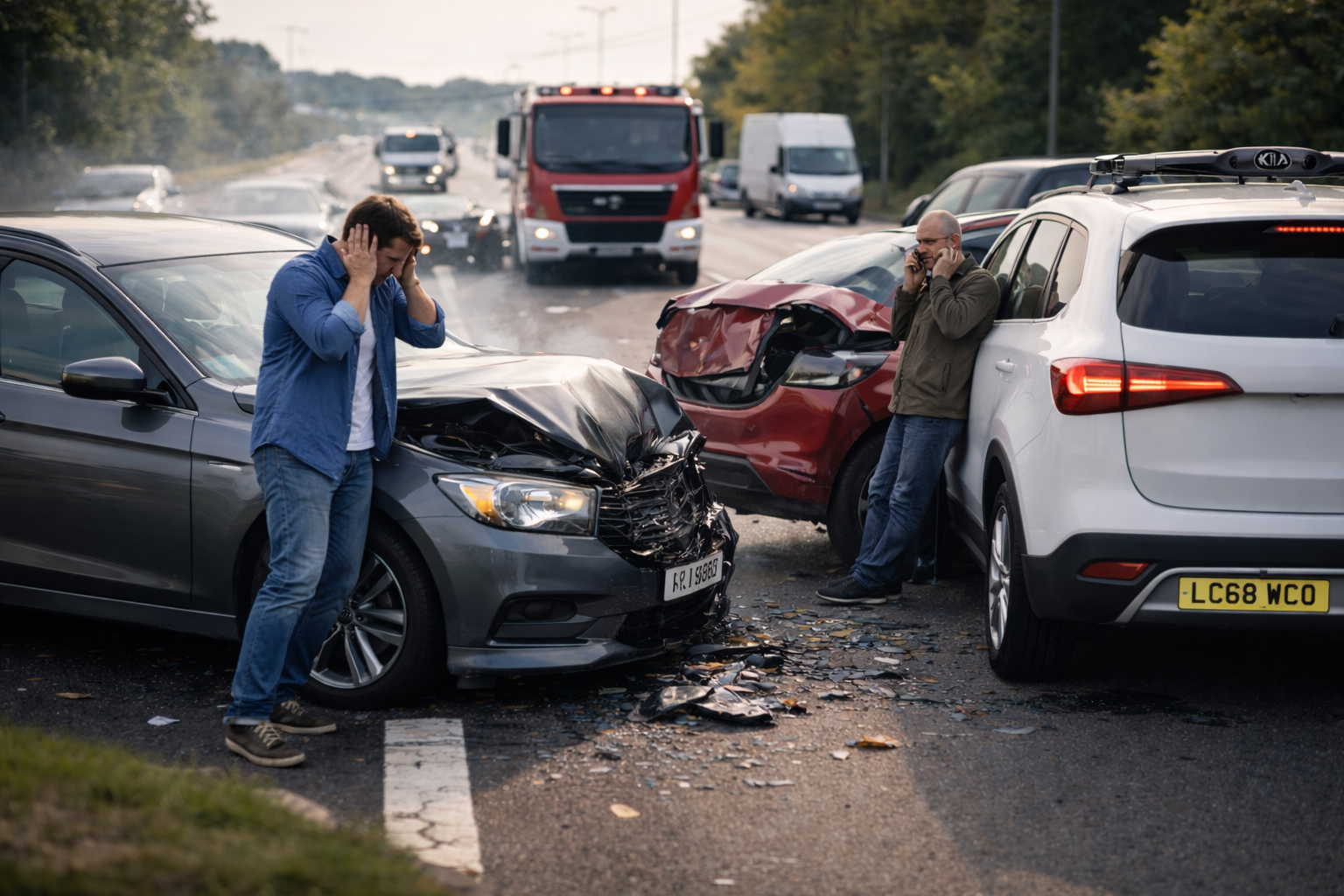
Accidents... the Human Element
As the world watches the steady rollout of autonomous vehicles, a common question echoes across social media and news headlines: Are they actually safe?
At Grove & Dean, we understand the hesitation. For over 50 years, we’ve been at the heart of the British driving experience, seeing first-hand how much trust we place in the person behind the wheel. However, as the conversation around driverless technology intensifies, the data invites us to look at the other side of the coin: the human factor.
While many of us are naturally wary of handing over the keys to a computer, it is worth exploring the reality of our current roads, where the vast majority of accidents are caused... by us!
The "94%" Statistic: What the Research Says
For years, the National Highway Traffic Safety Administration (NHTSA) and various road safety bodies have highlighted a staggering figure: human error is the critical reason behind approximately 94% of motor vehicle crashes.
But now US studies comparing millions of autonomous miles to human-driven miles suggest that while AI is still learning to navigate complex "edge cases", like sudden flash floods or confusing temporary roadworks, it is significantly more consistent and safer than a human driver. A computer doesn't have a "bad day," and it certainly doesn't get distracted by a mobile phone.
The "Fatal Four": Why Humans Make Mistakes
Unlike a computer, which processes data at a constant, millisecond-perfect rate, human performance fluctuates based on our physical and emotional state. Research identifies four primary mental states that lead to the majority of UK road incidents:
Complacency: This is the ‘autopilot’ effect. Experienced drivers often stop actively observing their surroundings on familiar routes, leaving them unprepared for an unexpected hazard.
Distraction: Whether it’s a notification on a smartwatch, a child in the backseat, or a GPS adjustment, distraction accounts for a massive portion of recognition errors.
Fatigue: Driving while tired can be as dangerous as driving under the influence. Staying awake for 20 hours and then driving creates impairment levels similar to the legal alcohol limit.
Frustration: High emotions lead to risky decisions. Road rage or impatience can result in speeding to beat a light or tailgating, making a crash ten times more likely.
Common Causes You Can Control
While the world waits for the technology of tomorrow to become the standard, there are steps every driver can take today to bridge the safety gap. According to the latest safety data, these are the most common avoidable errors:
Poor Observation: This remains the number one factor in UK accidents, simply failing to look properly at junctions or misjudging the speed of an oncoming vehicle.
Inappropriate Speed: This doesn't just mean breaking the speed limit; it means driving too fast for the specific conditions, such as heavy rain or fog.
Impaired Judgment: This covers everything from alcohol and drugs to the use of strong over-the-counter medications that cause drowsiness.
Loss of Control: Often a result of panic or over-correcting a steering manoeuvre, something autonomous systems are designed to prevent through precision braking.
Looking Ahead
The shift toward autonomous driving isn't just about the cool factor of a car that drives itself; it's also about addressing the inherent vulnerabilities of human nature. Robotaxis and assisted driving systems don’t get tired, they don't get frustrated, and they never look away from the road.
As a leading Chartered Insurance Broker, Grove & Dean is committed to staying aware of these issues and trends. Whether you’re driving a classic car, a modern family SUV, or a vehicle equipped with the latest self-driving aids, our goal remains the same: ensuring you have the right protection.
The world may wonder if driverless cars are safe, but the research suggests that by removing human error from the equation, we could be heading toward the safest era in motoring history.